Main Content
A food supplement is a foodstuff whose purpose is to provide a supplement of nutrients or substances with a nutritional or physiological effect (vitamins, minerals, fatty acids or amino acids) missing or in insufficient quantity in an individual’s normal diet. Unlike food additives, which are mixed with certain foods, the supplement is a concentrated source that is sold in isolation.

The principle of food supplementing
In a few generations, the population has been adopted into a sedentary daily life. New foods and habits have emerged. A second major metamorphosis occurred during the Industrial Revolution. This has led us to consume ever more refined foods, which are more and more present on our plates to the detriment of “traditional” products. They negatively affect certain dietary characteristics (glycemic load, omega6/omega3 ratio, vitamin and mineral composition, sodium/potassium ratio, fibre content, etc.). In addition, since physical activity is rarer while we generally eat too much (saturated fats, carbohydrates and sugars, salt, etc.), many chronic diseases have appeared (obesity, diabetes, high blood pressure, hypercholesterolemia, coronary heart disease, stroke…). The World Health Organization (WHO) is alarmed and believes that emergency measures must be taken. The impact of diet on health and mortality (cancer, cardiovascular diseases, etc.) has been the subject of extensive research for several years. Since the 1980s, attention to balanced meals has become a significant factor in food choice. Behaviours are influenced by physicians’ health and nutritional recommendations, increasingly relayed by the media.
According to the regulations, a healthy, varied and balanced diet is supposed to provide intakes that meet the recommended daily allowances (RDAs). But the majority of the population is not in this ideal situation. Not only, as previously mentioned, foods from modern agriculture have become depleted of specific nutrients but they also contain residues of pesticides or synthetic fertilizers, which considerably increase the oxidative stress of our cells. Finally, the relationship to food is linked to the cultural relationship of the country, region or even family unit from which the individual comes, which means that we reproduce the gestures and dishes we have learned to make in our family and region and also that we only eat what we really love and what we know how to cook. We are far from the ideal varied diet, even when we consume organic food.
Food supplements (in capsules, capsules, tablets, ampoules…) make it possible to avoid certain deficiencies or to meet specific needs (sports activity or other), the enrichment of certain foods can also make it possible to fill deficiencies. Thus, in many countries, salt is fortified with iodine to prevent cretinism and goitre. Vitamin B12 is not present in plants, so vegans should take a supplement or fortified foods to ensure adequate intake.
Babies and children need intakes of vitamin D, which should ideally be provided through food, but will often be taken as a dietary supplement due to its low availability in the daily ration. In Europe, until recently, vitamin D was often provided by cod liver oil.
Similarly, women have 77% higher iron requirements than men at puberty (due to loss due to menstruation or childbirth) and calcium requirements during menopause (to avoid osteoporosis as a result of hormonal changes).
However, foods will contain varying amounts of vitamin D, iron or calcium. As a result, only a balanced diet, combining foods of different nutritional types (or at worst a dietary supplement) can provide the necessary elements.
The consumption of food supplements reaches 65% of the adult population in the United States.
Food supplements are not medicines. They can be prescribed by a doctor, but are most often subject to self-medication. Food supplements that have been the subject of extensive clinical studies and whose interest is demonstrated are listed in the Vidal Dictionary of Health Professionals.
The claims of food supplements are regulated. For example, they cannot contain the terms “care” or “cure” which are specific to medical jargon and would constitute an illegal practice of medicine, but also terms such as “miracle”.
Many dietary supplements, particularly herbal supplements, promote the ancestral nature of plants or ingredients, but this is not proven to be effective. Just as epidemiological arguments associating the supposed properties of a substance with the quality of life of a population supposedly exposed to it have no scientific value. More generally, in order to be valid, studies on active substances must be clinical studies, i.e. controlled, randomised, and based on a reasonably large sample.
The majority of food supplements on the market, as well as their ingredients, have not been the subject of extensive clinical studies. There are, however, notable exceptions whose benefits have been demonstrated, such as the antioxidants beta-carotene, vitamin E, or zinc.
United States: The Dietary Supplement is defined by the Dietary Supplement Health and Education Act of 1994 as a product that meets the following criteria:
It is designed to be complementary to a diet and can be a tablet, capsule or liquid consisting of:
- a vitamin,
- a mineral,
- a plant except tobacco,
- an amino acid,
- an enzyme,
- an energy bar,
- a metabolite.
It should be clarified that it is not a conventional food and should not be consumed as the only source of food.
It must be clearly labelled as a “food supplement”.
The FDA considers food supplements as food, not drugs. It does not therefore have to pre-approve their safety and effectiveness, but it can attack manufacturers if it subsequently finds the presence of dangerous products on the market. However, some foods (such as children’s products or medicines) are more monitored because they concern more vulnerable populations.
Compared to the European Union, the consumption of food supplements is much more common, almost systematic for “multivitamins”. In the US regulations, there are more authorized ingredients, and their dosage may be more powerful, since it may exceed the RDA, unlike the European regulations.
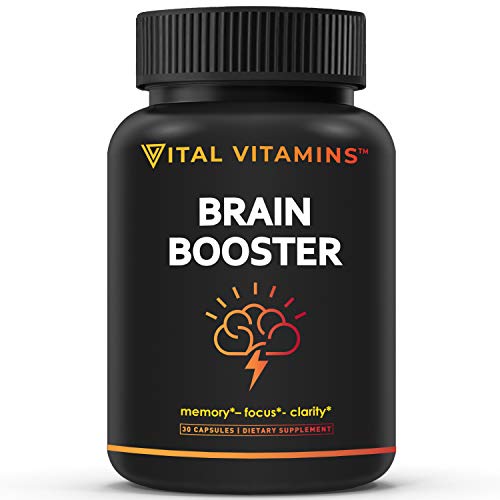
Brain Supplement Nootropics Booster - Enhance Focus, Boost Concentration, Improve Memory & Clarity for Men & Women, Ginkgo Biloba, Dmae, Mind Enhancement, Iq Neuro Energy, Vitamin B12 Bacopa Monnieri
- High quality nootropic - our brain supplement may help enhance cognitive function through key nutrient supplementation. Each nootropic capsule contains highly effective ingredients that may help improve memory, focus, mental clarity and alertness.
- Alertness without the buzz & crash – nootropics have been known to help reduce fatigue, while fighting the detrimental effects of mental fogginess. Our Brain Booster contains key ingredients such as Dmae, which may help produce feelings of improved mental clarity, cognitive ability, memory and physical energy.
- Done with distractions – the natural ingredients in our Brain Booster may work to improve mood and enhance alertness in order to aid logical processing. When the mind is active and in the right state, logical reasoning and creativeness are enhanced.
- Only high quality ingredients - our products are made from all high quality vitamins, minerals with herbal extracts, non-gmo, and free of hormones and ingredients free from gluten.
- Professionally formulated – Vital Vitamins Brain Booster is professionally formulated and made in the Usa with global ingredients in a Gmp certified facility which follows strict cGmp guidelines and is third party tested for purity and potency ensuring highest quality pills in each batch.
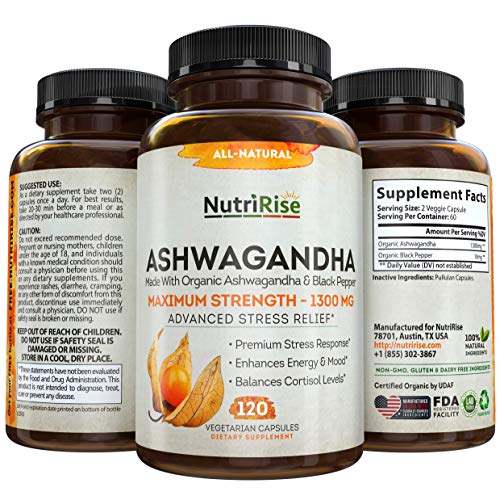
Ashwagandha 1300mg Made with Organic Ashwagandha Root Powder & Black Pepper Extract - 120 Capsules. 100% Pure Ashwagandha Supplement for Stress Relief, Anti-Anxiety & Adrenal, Mood & Thyroid Support
- 1300mg - HIGHEST POTENCY FOR BEST ANTI-STRESS & ANTI-ANXIETY SUPPORT: Made with 100% organic ashwagandha root powder and organic black pepper extract for increased absorption, our pure ashwagandha capsules offers the most potent formula in the market (1300mg per serving) to deliver superior anti-stress, anti-anxiety and adrenal support*
- MADE WITH CERTIFIED ORGANIC ASHWAGANDHA ROOT POWDER: In order to ensure an ashwagandha supplement is truly organic, it must be certified by an accredited certifying agent. Made with organic ashwagandha extract, our natural ashwagandha supplement is certified organic by UDAF*
- SUPERIOR IMMUNE BOOST, HORMONAL BALANCE & MOOD SUPPORT: Because our ashwagandha powder is sourced from organic ashwagandha root, it delivers the optimum concentration of withanolides to stimulate adaptogenic activity and optimize adrenal health, stress relief and thyroid support. More potent than other ashwagandha supplements, ashwagandha oil and ashwagandha tincture, it combats adrenal fatigue and serves as a natural mood enhancer supplement*
- NO FILLERS - NO BINDERS - NO ALLERGENS - NO HEAVY METALS: Our ashwagandha root capsules are FREE of fillers, binders, nuts, eggs, shellfish and other common allergens. In addition, testing is performed after every critical stage of production to ensure our products are FREE of adulterants, solvent residues, aflatoxins, microbiological pathogens and heavy metals such as mercury*
- 100% MONEY BACK GUARANTEE: At NutriRise, we care about your experience. In fact we are so confident that you will love our Premium Ashwagandha that we back it with a 90-day money back guarantee. Our Ashwagandha Supplement is proudly manufactured in the USA. Each and every batch is independently and third-party tested for premium purity and potency*
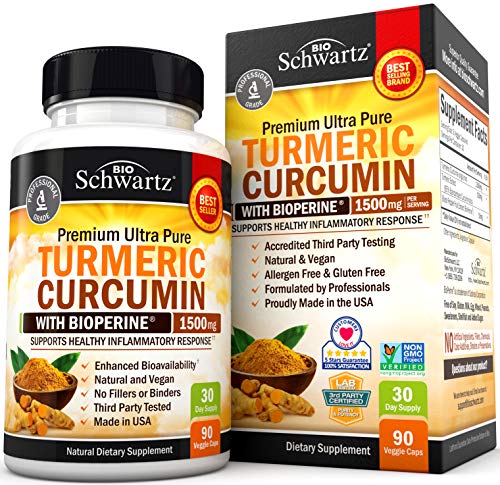
Turmeric Curcumin with BioPerine 1500mg. Highest Potency Available. Premium Joint & Healthy Inflammatory Support with 95% Standardized Curcuminoids. Non-GMO, Gluten Free Capsules with Black Pepper
- HIGHEST POTENCY AVAILABLE TURMERIC PILLS ENHANCED WITH BIOPERINE: BioSchwartz Turmeric formula has 1500mg of Turmeric Curcumin with 95% Standardized Curcuminoids per serving (Highest Potency) and 10mg of BioPerine (black pepper, curcumin with black pepper) aiding in enhanced absorption and bio-availability.
- ALL NATURAL, NON-GMO, NO FILLERS, BINDERS OR PRESERVATIVES: Our professional grade Turmeric with BioPerine (curcumin with BioPerine) is a natural turmeric powder and has better absorption compared to common turmeric teas. Our Curcumin is also FREE Of soy, gluten, milk, egg, wheat, GMOs, peanuts, sweeteners, shellfish and sugar.
- PROFESSIONALLY FORMULATED & MADE IN USA: Our Turmeric extract is formulated by professionals and manufactured in the USA in an FDA-approved facility following strict GMP guidelines. Our Turmeric with BioPerine is third party tested to assure the highest quality and purity of each batch.
- HIGHEST QUALITY INGREDIENTS: Not only is our Turmeric Curcumin supplement potent, but we also use patented BioPerine (10mg per serving) to aid in increased absorption and bioavailability. Through industry research, we believe that Turmeric with black pepper is essential in good turmeric curcumin supplements. We only use pure and raw ingredients in all our formulas.
- 100% SATISFACTION - MONEY BACK GUARANTEE: We want you to be fully satisfied! That’s why we back every order with our 100% Satisfaction Guarantee so you can shop with confidence. If you are not satisfied with our product, you are protected by our no questions asked, money-back guarantee.

Turmeric Curcumin Highest Potency 95% Curcuminoids 1950mg with BioPerine Black Pepper for Ultra High Absorption, Made in USA, Best Vegan Joint Support Pills by Natures Nutrition - 60 Capsules
- ✔️ TURMERIC CURCUMIN WITH BIOPERINE: Our premium T3 Turmeric Curcumin Complex 1950mg, with standardized 95% Curcuminoids and 15mg Bioperine (Black Pepper) for best absorption.
- ✔️ QUALITY INGREDIENTS: Turmeric is arguably one of the most powerful herbs on the planet. Curcumin specifically, one of the primary compounds in turmeric powder, has been reported to be one of the most advantageous herbs, making Turmeric Curcumin a nutrient rich powerhouse.
- ✔️ WITH BIOPERINE FOR BEST ABSORPTION: BioPerine, a patented black pepper extract has been shown to improve the absorption of many herbs and spices. Our Turmeric Curcumin Extract with BioPerine black pepper supplement provides as much as 2000x better absorption than consuming normal turmeric capsules alone.
- ✔️ TRUSTED FORMULA: Our Turmeric is formulated by professionals and manufactured in the USA following strict GMP guidelines. Our Turmeric with BioPerine is third party tested to assure the quality and purity of each batch.
- ✔️ RELATED: Turmeric Curcumin Supplement with Bioperine Black Pepper 1950mg 1500 best benefits bio bioprene capsules circumin cucermin cucumin cucurmin cumin curcuma curcumen curcumim curcurim curcurmin curicum effects extract ginger for good health herb herbal joint support nature's natures nutrition numeric pills piperine root skin supplements trumic tumeric tumetic tummeric tumric tumuric turmeic turmerones turmic turneric vitamins
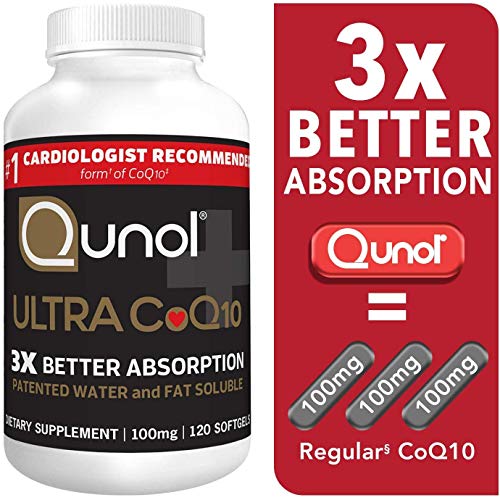
Qunol Ultra CoQ10 100mg, 3x Better Absorption, Patented Water and Fat Soluble Natural Supplement Form of Coenzyme Q10, Antioxidant for Heart Health, 120 Count Softgels
- 3X BETTER ABSORPTION THAN REGULAR [2] CoQ10 — Clinical trials have proven that no other CoQ10 supplement absorbs better than Qunol. In fact, Qunol Ultra absorbs 3X better than regular [2] CoQ10.
- #1 CARDIOLOGIST RECOMMENDED FORM OF COQ10* — With superior absorption compared to regular [2] CoQ10, Qunol 100mg CoQ10 softgel capsules can help you reach optimal levels of Coenzyme Q10 sooner, so you can experience the potential benefits faster.
- 100% WATER AND FAT-SOLUBLE — Qunol CoQ10’s patented formulation is 100% water and fat-soluble, unlike regular [2] CoQ10 that does not dissolve in water and dissolves very poorly in fat.
- BENEFICIAL TO STATIN DRUG USERS — Statin medications have been shown to lower CoQ10 levels by as much as 40% [3] and the addition of a CoQ10 supplement to statin drug therapy can help rebuild CoQ10 levels.
- ESSENTIAL FOR ENERGY PRODUCTION — CoQ10 plays a vital role in the production of energy in the body. Taking a CoQ10 supplement helps increase natural CoQ10 levels that can be depleted by age and cholesterol-lowering statin medications [4].
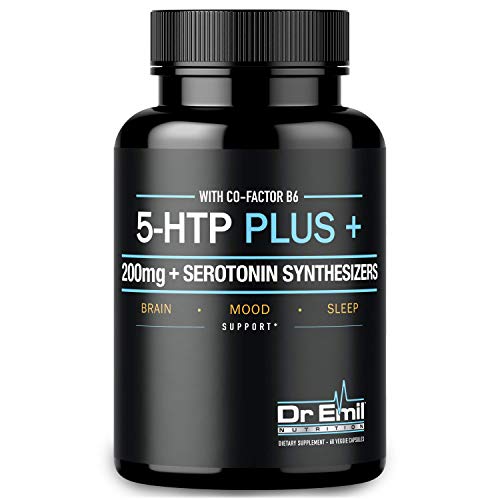
200 MG 5-HTP Plus Serotonin Synthesizers and Cofactor B6 for Improved Serotonin Conversion - Enhanced 5HTP Supplement for Serotonin Boost, Mood and Sleep Support
- 5-HTP ENHANCED SUPER FORMULA - We supplemented 200mg of pure 5-HTP with clinically proven serotonin synthesizers, SAMe and L Tryptophan. Tryptophan is metabolized into 5-HTP in the body, while SAMe is a well-known serotonin booster. In addition, both ingredients have been indicated to help 5-HTP conversion to serotonin, creating the ideal synergistic mood booster.
- B6 FOR IMPROVED SEROTONIN CONVERSION - Our formula includes a high dosage of Vitamin B6, the main co-factor necessary to convert 5-HTP into serotonin. Vitamin B6 has been clinically shown to aid 5-HTP conversion into serotonin, while even slight B6 deficiency can greatly inhibit the efficacy of 5-HTP.
- MOOD, ANXIETY & SLEEP SUPPORT - 5-HTP is the primary precursor to serotonin production in the body. Increased levels of serotonin have been scientifically shown to promote positive mood, anxiety relief and better sleep.
- DOCTOR-DRIVEN, SCIENCE BACKED - Bringing Dr. Emil’s unique knowledge as both a medical doctor & recognized authority in the supplementation field, our blends are painstakingly formulated to provide superior results and are always backed by science - free of gimmicks, fads & false promises.
- ONLY THE RIGHT STUFF - All Dr. Emil products are made from all-natural vitamins, minerals & herbal extracts, without the use of harmful additives; non-GMO; free of gluten and all top 8 allergens. All products are manufactured in the USA in an FDA-registered, GMP certified laboratory.
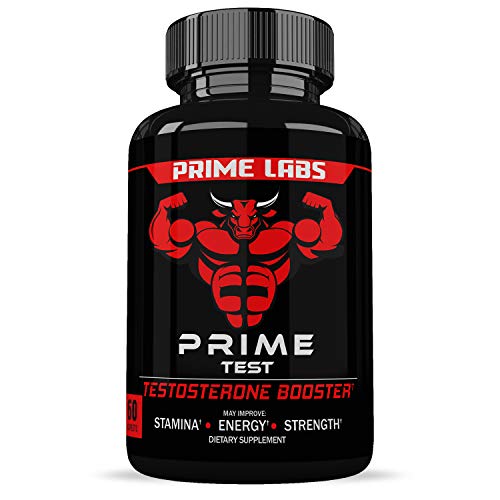
Prime Labs - Men's Test Booster - Natural Stamina, Endurance and Strength Booster - 60 Caplets
- OPTIMIZED PHYSICAL PERFORMANCE: Suffering from low test impacts energy, strength and stamina, which is why Prime Test is a natural test booster that revitalizes and restores your manhood.
- BUILD STRONGER, LEANER MUSCLES: A daily supplement that naturally increases test levels, you can melt away belly fat while having more energy to create lean, healthy muscles.
- IMPROVED MOOD: Prime Test can give you the stamina, confidence and improved circulation you need to perform better physically both in and out of the bedroom.
- HEALTHY, NATURAL FORMULA: Crafted in an FDA registered facility, our formula contains only the best natural ingredients, including Horny Goat Weed, Tongkat Ali Extract, Saw Palmetto Extract and other essential health boosters.
- MADE IN THE USA: Prime Labs products are highly-tested to ensure quality and developed right here in the United States. That means youâ€re not only getting the best test booster, but one you can trust.
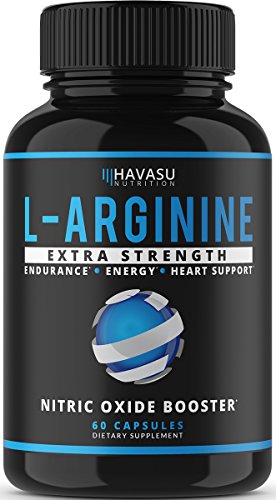
Havasu Nutrition Extra Strength L Arginine - 1200mg Nitric Oxide Supplement for Muscle Growth, Vascularity and Energy - L-Citrulline & Essential Amino Acids to Support Physical Endurance, 60 Capsules
- SUPERIOR EXTRA STRENGTH L-ARGININE – Our Premium L Arginine stacks Arginine HCI & Arginine Alpha Ketoglutarate with Citrulline, a precursor to Nitric Oxide (NO) production. We have combined the two best NO forms with Citrulline to provide the ultimate, synergistic blend of the three key Nitric Oxide ingredients to ensure you are getting ALL that Arginine can offer!
- SAFELY SUPPORTS HEALTHY LIFESTYLE & LEAN MUSCLE – L Arginine is an essential amino acid that converts into Nitric Oxide, thereby helping to promote healthy circulation. Often used as a sports nutrition supplement, Nitric Oxide supplementation will help promote blood flow, which means more oxygen reaches your muscle, brain, heart, lungs and other organs. More blood flow to your muscle means more muscle gains and vascularity, leaving you looking your best.
- SUPPORTS BIGGER PUMPS, PERFORMANCE, VASCULARITY AND GAINS – Arginine supports energy levels and lean muscle. In addition to promoting blood flow, Arginine is also well known for energy production - perfect for weightlifters, athletes, runners and everyday active people.
- MOST RELIABLE - Our formula contains NO preservatives, chemicals, artificial ingredients or sugars so you can trust that you are using an all-natural supplement and you'll love the natural increase in energy & focus without the jitters! It also undergoes a stringent process of third party testing and documentation to ensure each bottle has exactly what it says it has.
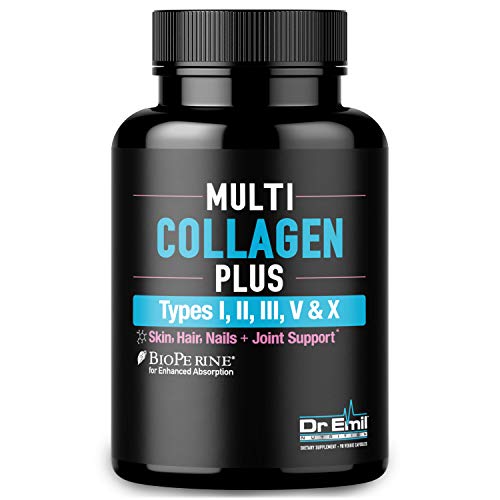
Multi Collagen Pills (Types I, II, III, V & X) - Collagen Peptides + Absorption Enhancer - Grass Fed Collagen Protein Blend for Anti-Aging, Hair, Skin, Nails and Joints (90 Collagen Capsules)
- ALL-IN-ONE SUPER COLLAGEN BLEND - Our hydrolyzed collagen peptide pills feature a blend of 100% grass-fed bovine, chicken, eggshell and marine collagen sources, including Types I, II, III, V & X.
- HIGH DOSE + BETTER ABSORPTION - Our extra strength collagen capsules are enhanced with BioPerine, a black pepper extract shown to vastly improve absorption, ensuring the most bioavailable Collagen capsules on the market; Get the Collagen intake you need without excess calories or powder mixing.
- ALL 5 TYPES TO LOOK & FEEL YOUR BEST- Our formula includes all 5 types of collagen hydrolysate for maximum benefits, including anti-aging and healthier hair, skin and nails. Also supports stronger joints and bones while aiding in digestion and gut health. Don’t settle for just Types 1 and 3 when you can have all 5 in one easy to take collagen supplement for women and men.
- DOCTOR-DRIVEN, SCIENCE BACKED - Bringing Dr. Emil’s unique knowledge as both a scientist & medical doctor, our blends are painstakingly formulated to provide superior results and are always backed by science - free of gimmicks, fads & false promises.
- ONLY THE RIGHT STUFF - All Dr. Emil products are made from all-natural vitamins, minerals & herbal extracts, without the use of harmful additives; NON-GMO and free of hormones, gluten and dairy. All products are manufactured in the USA in an FDA-registered, GMP certified laboratory.
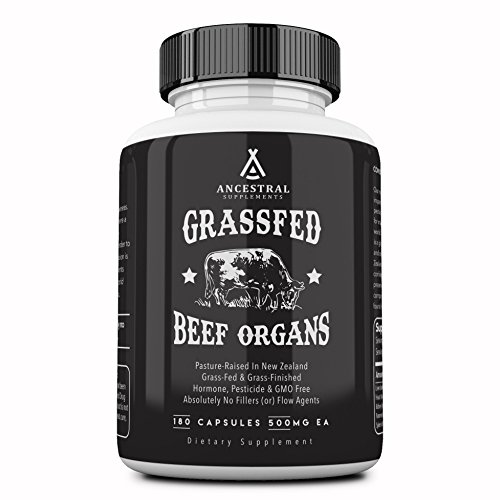
Ancestral Supplements Grass Fed Beef Organs (Desiccated) — Liver, Heart, Kidney, Pancreas, Spleen (180 Capsules)
- GRASS FED LIVER (600MG) provides nature's most nutrient dense superfood. Liver is the only meaningful source of natural vitamin A (rich in heme iron and B12). Supports optimal liver health and energy demands.
- GRASS FED HEART (600MG) is the richest source of naturally occurring coenzyme Q10 (CoQ10). Supports optimal heart health, regulates blood pressure and is a nutritional powerhouse for mitochondria.
- GRASS FED KIDNEY (600MG) is a potent bio-available source of naturally occurring selenium and B12. Supports strong kidney health, aids in detoxification pathways and the antioxidant defense system, bolsters immunity.
- GRASS FED PANCREAS (600MG) provides nature's all natural source of enzymes. Supports a strong functioning pancreas, supports blood sugar signaling and contributes an abundance of key enzymes for optimal digestion, health and wellness. We are not what we eat... we are what we digest.
- GRASS FED SPLEEN (600MG) is nature's most concentrated source of heme iron. Supports a strong immune response and aids in the metabolic health of our blood cells... Well known for it's ability to build blood.